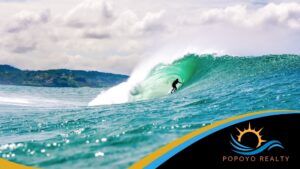
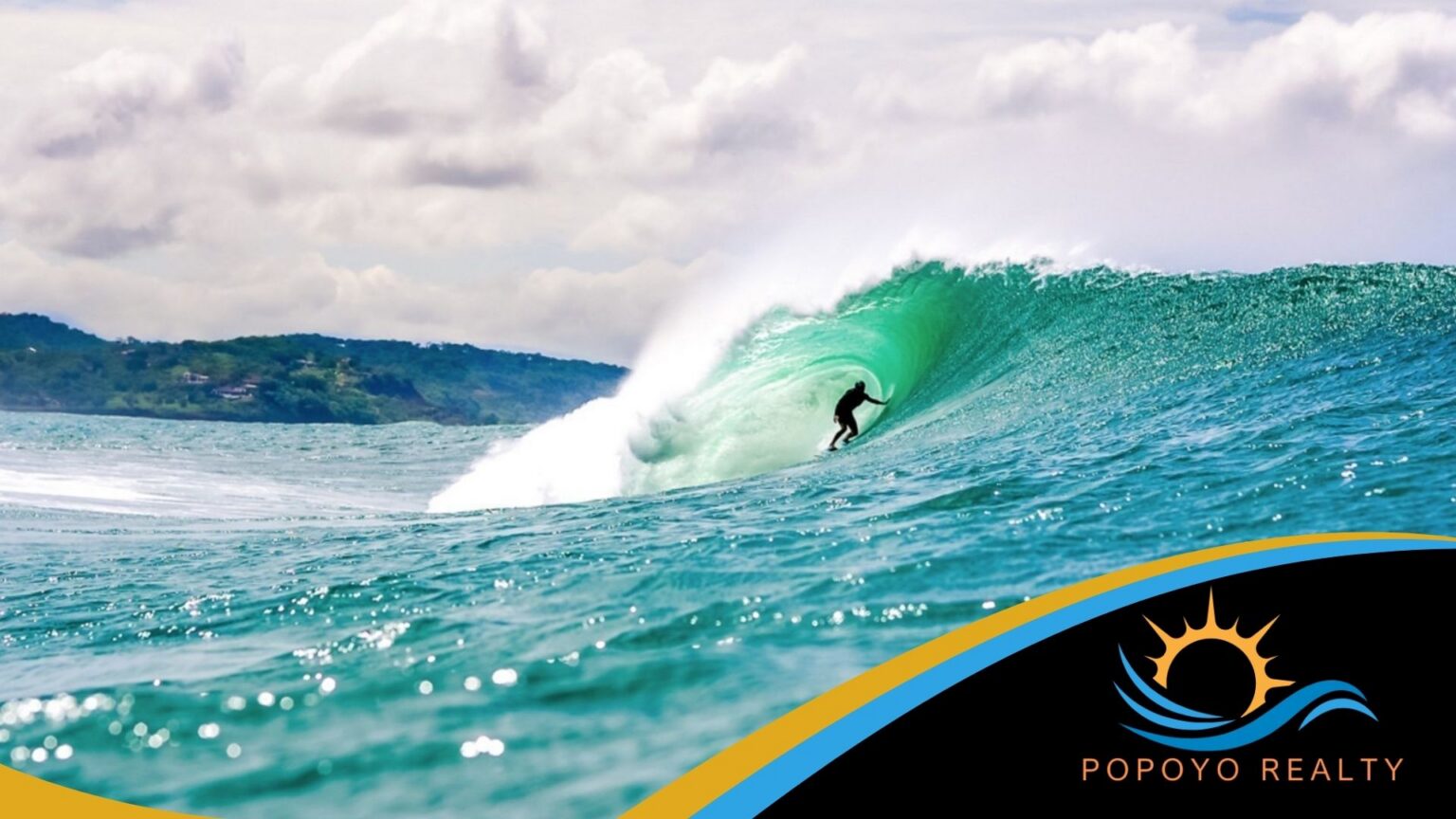
Nicaragua’s Pacific coast is home to more than 15 world-class Nicaragua surf spots spread across 250 kilometers of coastline. Beach breaks, reef breaks, point breaks, big wave slabs, beginner bays, and secret spots that most people have never heard of. Furthermore, more than 300 days of offshore winds per year groom the incoming swell into clean, rideable faces from morning until dark.
The water sits at 80 degrees year-round. In addition, the crowds are a fraction of what you find in Costa Rica. This is the complete guide to Nicaragua surf spots, covering every major break on the Pacific coast and what it looks like to own property next to the ones that matter most.
Why Nicaragua Is One of the Best Surf Destinations on the Planet
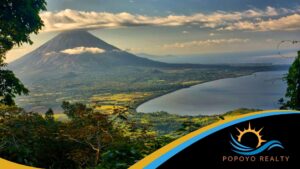
The offshore wind is the story. Lake Nicaragua sits roughly 50 miles inland, and the pressure differential it creates sends offshore winds straight toward the Pacific coast for most of the year. Those winds groom incoming swell into clean, well-shaped waves that hold all day.
As a result, it is not unusual to paddle out at 7am and still find organized faces at 4pm. In most other surf destinations that simply does not happen.
The swell itself comes from the Southern Hemisphere. Storm systems in the Roaring Forties and Fifties send energy north throughout the wet season, generating consistent overhead surf from March through September. Conversely, the dry season brings smaller, cleaner waves that are ideal for beginners and intermediate surfers who want to build skills without fighting heavy surf.
Water temperature stays between 80 and 84 degrees Fahrenheit year-round. No wetsuit required. The lineups are thin compared to Costa Rica, Bali, or California. Most importantly, the range of breaks across the coast means there is always something working for every skill level, regardless of swell size or direction on any given day.
The Popoyo Surf Zone: Where Nicaragua Surf Spots Come to Life
The Popoyo surf zone covers roughly 30 miles of coastline in the department of Rivas. It is home to more than a dozen named breaks, from sheltered beginner bays to legitimate big wave venues. Every type of surfer finds a wave here. In fact, most of the breaks in this guide sit within this zone.
Popoyo Main Reef
Popoyo put Nicaragua on the global surf map. The 2015 ISA International Surfing Association contest ran here, and the wave delivered. It is a powerful A-frame reef break with fast rights and more barrel-oriented lefts, breaking over a rocky reef directly in front of the beach. It works on almost any swell direction, fires consistently across all tides, and ranks as the most reliable wave on the coast.
Naturally, it is also the most crowded wave in Nicaragua. One shifty peak, competitive lineup, experienced surfers in the water every day. Popoyo is not for beginners. For an intermediate or advanced surfer who wants to find their best surfing, however, this wave delivers exactly that.
Access is on foot from Beginners Bay via the beach road, or by car to La Finca bar overlooking the break. About 20 minutes walk or 10 minutes by vehicle from Playa Santana.
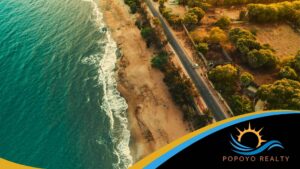
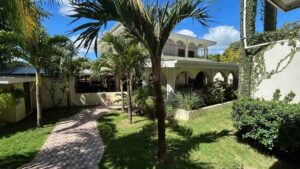
Properties near the Popoyo main break sit minutes from one of the most consistent Nicaragua surf spots in Central America. The hilltop home with pool in Popoyo sits close to the break with strong rental income already running. For buyers who want to build, road front property on the Coastal Highway offers a land entry point into the zone.
Recife Exterior Popoyo
When the swell hits 12 feet and above, the Outer Reef wakes up. Surfers widely consider it the best big wave spot in Central America. It is a left-hand slab that breaks half a mile out to sea over a sharp rock reef.
Specifically, the drop is steep, the wall is fast and ultra-hollow, and the end section unloads on a very shallow reef that has ended sessions and caused serious injuries. This wave works a few times a year on serious swell. When it fires, big wave surfers travel from around the world to be in the water. For everyone else, it is one of the most spectacular Nicaragua surf spots you will ever witness from the beach.
Beginners Bay and Playa Sardina
At the north end of Playa Santana sits Beginners Bay, sheltered by the distinctive rock formation of “Magnific Rock”. The wave here is mellow, the bottom is forgiving sand with some reef sections, and the energy in the water matches the name. Generally, this is where people learn to surf in Nicaragua.
Sardina Surf Camp runs the local operation here, family-run and locally owned, with instructors who grew up surfing these breaks. The crowd skews young, international, and budget-conscious. Learn-to-surf culture, social energy, longboards and foamies in the lineup.
For buyers, two listings sit directly in this zone. The beachfront lot at Finca Popoyo sits on Playa Sardina with direct beach access and proximity to every break in the zone.
O processo de beachfront casita with surf tower is an off-grid surf property steps from the water, with a purpose-built tower for checking the lineup before you paddle out. Both represent entry points into one of the most active surf communities on the coast.
For investors looking at income potential, the eco lodge with three villas near the beach e furnished one-bedroom home on lot in Popoyo both sit within reach of this zone. Either property is positioned for the steady stream of surf travelers moving through the area year-round.
Praia Santana (Praia Jiquelite)
Playa Santana runs south from Beginners Bay along a long stretch of open beach with multiple peaks spread across its length. The formal name is Playa Jiquelite. The wave is a wedgy beach break with fast lefts and rights, steep takeoffs, and almond-shaped barrels that appear even on smaller swells.
It is likely the most consistent beach break in Nicaragua. When other spots go flat, Santana still has something. The peaks spread out across the beach, which keeps the crowd thin relative to the wave quality.
Mid to high tide is generally best. On solid south swells the barrels here are as good as anything on the coast. In contrast, when the swell is too large the wave tends to close out. On small to mid-sized swell it performs at a very high level every single day.
Two commercial properties sit directly on this beach and represent serious investment opportunities. The Hotel à venda em Playa Santana is a fully operational 17-room beachfront resort with a 50-seat restaurant, pool, yoga deck, half pipe, and two vehicles included. Everything is in place.
Do mesmo modo, Monoloko Lodge is another turnkey surf lodge near Playa Santana with a pool, restaurant, yoga deck, main house, and four guest bungalows on a 1,153 square meter lot. Both properties sit steps from one of the most consistent surf breaks in Central America and run as operational businesses today.
Gotas de Panga
Panga Drops is a deep-water reef north of Playa Colorado that catches swell and amplifies it. When it is knee-high at other spots in the zone, Panga is head-high. On bigger swells it can hold triple overhead sets.
The wave breaks left and right across wide-open faces with a lot of speed. It is not known as a barrel wave, but the size and power it generates on solid swell make it one of the most impressive waves in the zone. All tides work and most swell directions feed it. Notably, watch for stingrays on the inside and be aware of strong currents when the swell is up.
Praia Colorado
Playa Colorado hosted the 2012 ISA World Masters Surfing Championship e 2015 ISA World Surf Games. The secret was out a long time ago, but the wave still delivers. It is a hollow, barreling right-hander built on shifting sandbars. Fast, punchy, and powerful.
When the sandbars align it ranks as one of the best beach breaks in Central America. On a good day Playa Colorado produces long, grinding barrels that match anything in the region.
The private community of Hacienda Iguana surrounds the beach. Consequently, owning property inside the community means consistent, direct access to this wave without the logistics. The 5-bedroom beachfront home for sale at Hacienda Iguana sits inside the community with direct beach access, pool, covered terraces, and ocean views.
O processo de solar-powered townhouse at Hacienda Iguana is a lower entry point into the same community with the same access to Playa Colorado and Panga Drops. For families who want a gated community with world-class surf at the doorstep, Hacienda Iguana is the answer.
Playgrounds
Playgrounds is one of the most talked-about waves among surfers who know Nicaragua well and almost completely unknown to everyone else. That gap is intentional.
It is a left and right reef break that delivers long, rippable rides across all skill levels, with the right pushing into proper barrel territory on the right swell. The lineup stays near empty by nature of how you get there. Ultimately, it is the kind of Nicaragua surf spot you hear about in hushed tones and then understand completely the first time you surf it.
Esquerda de Lance
Lance’s Left is named after the boat captain who kept it secret for years, and the spirit of that has not changed much. It is a long left-hand point break with rides that keep going and walls that reward every level of surfer, from first-timers to experienced riders looking to draw out their best turns.
This break is not known for heavy barrels, but consistently one of the most enjoyable waves on the coast when conditions align. Local knowledge is the price of admission.
Astillero Rivermouth
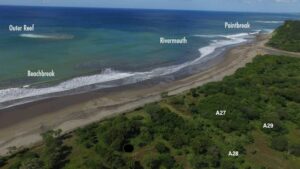
The town of Astillero sits at the end of the road where a rivermouth meets the Pacific. The setup produces a beach break with hollow rights and workable lefts that fires on mid to high tide. When the swell direction is right and the sandbars are set, Astillero can deliver serious waves with double overhead faces.
Consequently, it draws surfers looking for quality without the crowds of the more established breaks. The atmosphere is raw and local compared to the rest of the zone. Ocean view lots in Astillero sit near this break for buyers interested in land with surf proximity at a lower price point than the established communities further south.
Praia Rosada
Playa Rosada is a fast left-hand reef break inside Rancho Santana. Down-the-line speed with short hollow barrel sections. It is not as well known as the Popoyo zone breaks, but for residents of Rancho Santana it is the home break. As a result, the lineup stays thin and the wave performs with little competition on most days.
Rancho Santana is the most refined community on the Emerald Coast. More than 2,700 acres of preserved landscape, dramatic cliffs, multiple private beaches, and resort-level amenities.
O processo de Lote com vista para o mar em Rancho Santana is a titled building site with panoramic Pacific views and walking access to Playa Rosada. The oceanview home in Bella Vista is a finished residence inside the community’s most desirable neighborhood. For families looking for a gated community with private beaches, resort infrastructure, and surf at the doorstep, Rancho Santana is the answer.
The Chacocente Zone: Nicaragua’s Best-Kept Surf Secret
North of Gigante, inside the Rio Escalante-Chacocente Wildlife Refuge, lies the most remote surf zone on the Pacific coast. The refuge covers 4,800 acres of coastal dry tropical forest, one of the last intact examples in Central America.
Additionally, it is one of the most important olive ridley sea turtle nesting sites in Nicaragua, with turtles arriving to lay eggs from July through January. The surf here is consistent, multi-peak beach break with barreling rights and lefts that work across a range of swell sizes.
Offshore winds groom it the same 300-plus days per year as the rest of the coast. The lineups are empty. Access requires a 4WD vehicle on a rough track or a boat. Critically, there is no public transport and minimal infrastructure. That inaccessibility is exactly why the waves are still uncrowded.
The word is getting out. A handful of surf camps have established operations inside the refuge. Chacocente will not stay unknown forever. It is one of the last truly empty Nicaragua surf spots on the Pacific coast, and that window is closing. For buyers interested in land near an emerging surf zone with protected natural surroundings, contact Popoyo Realty for current opportunities in the Tola area.
Other Nicaragua Surf Spots Worth Knowing
Manzanillo is a left-hand point break that only works on specific swell directions. When those conditions align it ranks as one of the most beautiful and enjoyable waves in Nicaragua, with barrel sections and long rippable walls. Boat access is standard. Indeed, it is a bucket list wave for surfers visiting the coast.
Playa Maderas is the most popular beginner wave near San Juan del Sur. A-frame beach break, consistent swell, mid to high tide is best. Multiple surf schools operate here, and typically it is the first wave most visitors surf in Nicaragua.
Playa Hermosa sits south of San Juan del Sur and stays quiet by design. Less powerful than Maderas, ideal for intermediate surfers, and one of the better-kept secrets in the southern zone.
El Transito is a raw, exposed beach break north of the Popoyo zone that does not need much swell to work. Minimal infrastructure, authentic local atmosphere, and consistent enough to make it worth the detour.
When to Visit Nicaragua Surf Spots
Knowing when to visit is as important as knowing which Nicaragua surf spots to target. The wet season runs from May through November. South swells from the Southern Hemisphere arrive consistently through this period and the waves are at their most powerful.
April through September is the prime window for experienced surfers chasing overhead surf. October is the peak of the rains, but glassy head-high sessions with empty lineups are common.
The dry season runs from November through April. Smaller, cleaner waves with strong offshore winds, particularly in January and February. This period is ideal for beginners and intermediate surfers who want consistent conditions without fighting heavy surf. Water temperature stays between 80 and 84 degrees year-round regardless of season.
In terms of timing, the sweet spot for most surfers is May through July. Swell is up, offshore winds are holding, the landscape is green, and the lineups are thinner than during the peak travel months.
Living Next to Nicaragua Surf Spots
There is a difference between visiting Nicaragua surf spots for a week and owning property next to them. Visitors book a week and spend half of it chasing conditions. Owners wake up, check the lineup from the terrace, and paddle out.
The wave is there every day. Offshore winds are blowing. Water stays warm year-round. Sessions happen on demand.
That is the life that the properties along this coast are built around. Surf from your doorstep at Playa Santana. Walk to Playa Colorado from inside Hacienda Iguana. Check the Popoyo main break from a hillside home in the zone. Have Playa Rosada to yourself as a Rancho Santana resident.
Notably, Nicaragua’s construction and operating costs remain among the lowest in Central America. The margin between what it costs to own and operate here and what comparable coastal real estate carries in other markets is significant.
The buyer who acts on the Emerald Coast now is not betting on an emerging market. They are stepping into a proven one. Contact Popoyo Realty today to arrange a private or virtual viewing of any property along the coast.
Frequently Asked Questions About Nicaragua Surf Spots
What are the best Nicaragua surf spots for beginners?
Beginners Bay at Playa Sardina is the most popular learn-to-surf zone in Nicaragua, with mellow waves, a sandy bottom, and the shelter of Magnific Rock. Playa Maderas near San Juan del Sur is another strong option, with multiple surf schools operating on consistent A-frame peaks.
When is the best time to surf in Nicaragua?
The wet season from May through November delivers the most powerful surf from Southern Hemisphere swells. April through September is the prime window for experienced surfers, while November through April offers cleaner, smaller waves ideal for beginners. May through July is the sweet spot, with strong swell, holding offshore winds, and thinner crowds.
Where is Popoyo and why is it famous for surfing?
Popoyo sits on Nicaragua’s Pacific coast in the department of Rivas. It is famous for hosting the 2015 ISA International Surfing Association contest and for its powerful A-frame reef break that works on almost any swell direction. The Popoyo surf zone covers 30 miles of coastline and contains more than a dozen named breaks.
Can I buy property near Nicaragua surf spots as a foreigner?
Yes. Nicaragua’s legal framework allows foreign buyers to hold fee-simple title directly, giving international buyers the same ownership protections as local citizens. Popoyo Realty specializes in properties along the Emerald Coast including Playa Santana, Hacienda Iguana, and Rancho Santana.
What is the water temperature in Nicaragua year-round?
Water temperature stays between 80 and 84 degrees Fahrenheit year-round. No wetsuit is required at any point in the year, regardless of season.
How does Nicaragua compare to Costa Rica for surfing?
Nicaragua offers comparable or better wave quality than Costa Rica with significantly thinner lineups. The country benefits from more than 300 days of offshore winds per year thanks to the pressure differential created by Lake Nicaragua, which grooms incoming swell into clean, rideable faces all day.